

No products in the cart.
Return To ShopA polished product photo can hide details that determine whether a necklace lasts beyond a few outings: base metal, plating thickness, clasp construction, and care requirements. I use those specifics, alongside your intended wear and budget, to judge fashion jewellery online. Material and seller details matter because nickel sensitivity and vague product descriptions can turn an appealing purchase into a poor fit.
How to Choose the Right Fashion Jewellery
I start with the role each piece should play in your wardrobe: a subtle finishing touch, a focal point, or a repeat accessory for everyday outfits. Your personal style and the occasions on your calendar give you a practical filter, narrowing choices before you browse. Think about the necklines, colors, and silhouettes you wear most often, then choose designs that fit those patterns rather than buying a striking piece with no clear place in your rotation.
| Wardrobe detail | Jewellery direction | Typical use |
|---|---|---|
| Simple shirts and knits | One bold necklace or earrings | Everyday focal point |
| Printed or detailed outfits | Small, understated pieces | Work or daytime plans |
| Open neckline | Pendant or short necklace | Dinner or social events |
| Structured eveningwear | Sculptural earrings or a cuff | Formal occasions |
Identify your preferred styles
Start by noticing which shapes you already reach for: hoops, slim chains, geometric studs, or layered bracelets. I use saved outfit photos and the pieces you wear repeatedly to spot a consistent preference, such as clean lines or ornate details. Choose a signature shape that feels natural with your usual clothing, then add one contrasting design for variety. If your wardrobe is mostly tailored, a pair of rounded hoops can soften crisp collars without changing your overall look.
Match jewellery to outfits and occasions
For a balanced outfit, let either the clothing or the jewellery take the lead. A patterned blouse often pairs well with compact earrings, while a plain crew neck gives a pendant room to stand out. I match scale to silhouette, choosing delicate pieces for light fabrics and bolder forms for structured jackets. At a daytime meeting, small studs keep attention on your face; for an evening event, a single statement cuff can complement a sleeveless dress.
Factors to Check Before Buying
I assess value by looking at how a piece is made, what its materials can withstand, and whether its dimensions suit the intended use. A low price is less appealing if plating wears quickly or a ring does not fit, while a carefully finished design can offer better cost per wear. Read the specifications alongside close-up images, then weigh the listed construction against your budget and how often you expect to wear the item.
Check materials, finish, and durability
Start with the base metal and any stated coating: brass, stainless steel, and sterling silver behave differently, while gold-plated pieces rely on the thickness and quality of the plating. Look for clear descriptions of stones, settings, clasps, and soldered joins rather than broad labels such as “gold tone.” Even plating and securely set stones indicate careful finishing; rough edges, loose prongs, or vague material claims are warning signs.
Review sizing, weight, and product details
Use the listed measurements rather than relying on how a piece appears in a styled photograph. Check ring size in the seller’s stated sizing system, necklace length against a familiar chain, and earring dimensions against your preferred scale. For bracelets, compare the inner circumference with a comfortable fit around your wrist. Weight in grams matters for large earrings, and details such as post material and adjustable closures can affect everyday comfort.
- Check whether a necklace includes an extender chain.
- Look for the number and placement of earring backs.
- Confirm whether a pendant is sold with its chain.
How to Assess Online Sellers
Seller credibility matters as much as the jewellery description, because product photos alone cannot establish who is responsible for your order. I look for a verifiable business name, consistent contact details, and clear policies that explain what happens if an item arrives damaged or differs from its listing. Traceable seller information gives you a point of contact if a dispute arises, while vague ownership details or policies that omit refunds deserve caution.
| Seller detail | What to verify | Potential concern |
|---|---|---|
| Business identity | Consistent name and contact information | No accountable seller details |
| Customer reviews | Specific comments across multiple orders | Repeated, generic praise |
| Returns policy | Eligibility, deadlines, and refund terms | Unclear or missing conditions |
| Payment and shipping | Secure payment method and delivery terms | Unprotected payment or vague dispatch details |
Read reviews and check return policies
Customer reviews are most useful when they describe specific details, such as plating wear, clasp quality, or how the seller handled a late delivery. I treat a pattern of detailed feedback as more informative than a high rating supported by brief praise alone. Read the return policy for the return window, exclusions, and refund method, especially for earrings or sale items, which some shops do not accept back for hygiene or promotional reasons.
Confirm payment security and shipping details
Before paying, I confirm that the checkout uses an encrypted connection and a recognised payment provider, rather than a direct transfer to an unfamiliar account. Payment protection through a card or established payment service can provide a dispute route if an order never arrives. Review the stated dispatch timeframe, shipping charge, delivery region, tracking availability, and responsibility for import fees; a listing that gives no dispatch estimate leaves you without a clear delivery expectation.
Tips for Browsing and Ordering
I narrow a jewellery search by selecting filters that match the piece I want, such as item type, colour, material, or price range. Then I read listings closely, since terms like “gold-tone” describe a finish rather than solid gold. Specific search filters reduce irrelevant results, while clear product descriptions reveal details such as fastening type and included components. For a pair of earrings, I check whether the listing specifies a post, hook, or clip fastening.
Compare prices and product images
Product images show how a piece is presented, but I look for several views before judging its shape or finish. Zoomed photos can reveal links, clasps, stone settings, and surface texture; descriptions should identify materials and dimensions. Consistent image details matter: a necklace shown with a different clasp in separate photos deserves clarification. I also compare prices for pieces with similar materials and construction, rather than treating a lower price as proof of better value.
Check promotions, delivery times, and order details
Before placing an order, I read the promotion’s conditions, including minimum spend, eligible items, and whether a discount applies automatically or needs a code. Delivery estimates and shipping charges should appear before payment, alongside the selected colour, size, and quantity. Review the final checkout summary for substitutions or duplicate items, then confirm the delivery address and contact details. Keep the order confirmation, especially the item description and stated dispatch window.
- Use a saved search to revisit filtered results.
- Open the seller’s size guide for ring measurements.
- Check whether the listing includes a gift box.
How to Care for Fashion Jewellery
I keep fashion jewellery looking its best by limiting contact with moisture, chemicals, and rough surfaces. Plated finishes and glued settings are especially vulnerable to abrasion, so handle each piece gently and follow the care instructions supplied with it. After wearing, inspect clasps and stones for looseness before putting the item away. Remove jewellery before bathing or exercising, and keep pieces separate to prevent chains from tangling or hard components from scratching polished surfaces.
Clean and store pieces properly
Use a soft, dry microfiber cloth to wipe fingerprints and skin oils from earrings, necklaces, and bracelets after each wear. For stubborn residue, I use a cloth barely dampened with water, then dry the piece immediately; avoid soaking items with glued stones or fabric details. Store each piece in a separate fabric pouch or lined compartment, away from direct sunlight, where chains can lie flat and delicate settings will not rub against one another.
Prevent tarnish and damage
Perfume, hairspray, lotion, and household cleaners can dull coatings or discolor base metals, so apply personal-care products first and let them dry before putting jewellery on. Remove rings and bracelets before washing dishes or handling cleaning products, since detergent and chemicals can wear finishes. Keep pieces in a cool, dry place, and avoid bathrooms, where steam encourages tarnish. Never use abrasive polish or silver dip on plated fashion jewellery, as it can strip the surface.
| Care task | Recommended method | Avoid |
|---|---|---|
| After wearing | Wipe with a dry microfiber cloth | Leaving skin oils on the finish |
| Cleaning residue | Use a barely damp cloth, then dry promptly | Soaking glued or fabric details |
| Storage | Place pieces in separate pouches or compartments | Tangled chains and rubbing settings |
| Daily routine | Apply cosmetics before dressing | Perfume, sprays, and cleaners on jewellery |
To wrap up
A good online fashion jewellery purchase starts with a clear sense of the style, fit, and materials you want. I look beyond polished product photos to read size details, care instructions, seller policies, and customer feedback, while you can use those same details to judge whether a piece suits your wardrobe and budget. Before ordering, confirm the return terms and delivery information. Keep the product description and receipt so you have the metal finish, measurements, and seller details to hand.
About author

Related posts
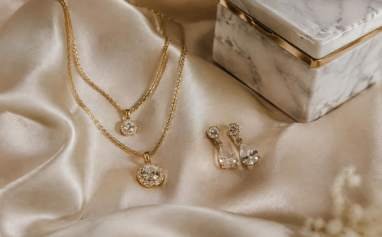
Find affordable fashion jewellery that looks luxurious with tips on choosing quality pieces, styling them for occasions, and caring for their finish. Continue reading

Style pearl jewellery with Indian and Western outfits, choose pieces for your collection, mix styles, and care for your pearls. Continue reading
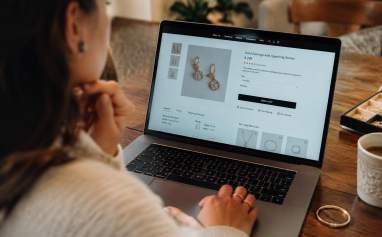
Get guidance on how to buy fashion jewellery online, choose materials, assess sellers, compare prices and shipping, and care for your purchases. Continue reading

Get tips for styling pearl jewellery with Indian and Western outfits, mixing styles, choosing pieces, and caring for your jewellery. Continue reading
Find jewellery styling tips for choosing everyday pieces, coordinating outfits, selecting colours and metals, getting the fit right, and adding personal... Continue reading
Add comment