

No products in the cart.
Return To ShopPearls pair the soft sheen of a sari with the clean lines of a tailored blazer, but scale and setting shape the effect. I match pearl size and silhouette to a neckline, fabric, and occasion, so you can wear your collection with intention. A single strand reads differently against silk than pearl studs do with a cotton shirt.
Choosing Pearl Jewellery for Your Collection
Start with the pieces you reach for most often, then choose pearls that suit their role in your jewellery box. I look at whether you need everyday studs, a pendant for regular wear, or a more distinctive piece for occasions, and you can use those priorities to guide your selection. Wear frequency matters: a simple, comfortable design earns its place differently from a statement necklace reserved for special events.
Assessing pearl types, colours, and shapes
Akoya pearls are known for a bright, reflective lustre, while South Sea pearls often have a softer glow and larger presence; freshwater pearls offer a broad range of shapes. I assess lustre and surface in natural light, since sharp reflections and a clean surface affect how polished a pearl looks. White and cream are classic, while pink, silver, and golden overtones add distinct character. Round pearls feel formal; baroque shapes bring organic variation.
Building a versatile collection for Indian and Western looks
Choose a small core of pieces with different proportions and levels of formality, rather than several near-identical designs. I would start with pearl studs, a fine pendant, and a strand whose length suits your neckline preferences, then add a bolder pair of drops or a sculptural baroque piece. Metal settings also shape a collection’s character: yellow gold reads warm, while silver and white gold give pearls a cooler finish.
- Check that earring backs hold securely.
- Choose necklace clasps that are easy to fasten.
- Inspect drilled pearls for smooth, even holes.
Styling Pearls with Indian Outfits
I match pearl jewellery to the garment’s silhouette, fabric, and formality, keeping the overall look grounded in the occasion. A strand of pearls brings a composed finish to a silk saree, while a pair of pearl jhumkas adds movement to a festive lehenga. For a salwar suit, I often choose a lighter set that sits neatly with the dupatta. Scale and setting matter: a short necklace suits a higher neckline, while longer strands work well with open collars.
| Outfit | Pearl pairing | Styling detail |
|---|---|---|
| Silk saree | Single strand or pendant | Keep the necklace close to the neckline |
| Lehenga | Pearl jhumkas or a layered set | Echo the embroidery’s scale |
| Salwar suit | Studs or a delicate necklace | Leave room for the dupatta |
Pairing pearls with sarees, lehengas, and salwar suits
With a saree, I pair a fine pearl necklace with a silk or chiffon drape when its border is restrained; ornate zari often calls for pearl studs instead. Lehenga cholis support more presence, so you can wear a coordinated necklace and earrings if the blouse neckline leaves space. For a salwar suit, I choose compact pearl drops that do not snag on the dupatta. Let the fabric guide the scale, from a single strand with georgette to sculptural earrings with brocade.
Balancing jewellery with embroidery, necklines, and occasionwear
Dense zardozi, mirror work, or sequin embroidery already draws the eye, so I keep pearls close to the face with small studs or a slim bracelet. A sweetheart or square neckline pairs naturally with a short necklace, while a high-neck blouse usually looks cleaner without one. For a daytime puja, you can choose understated pearls; at a wedding reception, larger drops suit the formality. Keep ornamentation in balance, especially where a necklace would compete with an embroidered neckline.
Styling Pearls with Western Outfits
Modern Western dressing gives pearl jewellery room to shift from formal accessory to everyday detail. I match the scale and finish of each piece to a garment’s neckline, fabric, and structure, keeping the overall look intentional rather than overly coordinated. A fine strand sits neatly with an open collar, while sculptural pearl earrings bring definition to a simple outfit. For your collection, versatile proportions make the difference between a piece reserved for occasions and one worn with a weekday shirt.
Wearing pearls with dresses, blazers, and casual outfits
With a dress, I choose pearl drops or a short necklace according to the neckline: drops complement a V-neck, while a close strand suits a square or boat neck. A tailored blazer pairs well with small pearl studs or a single pendant, especially over a plain top. For casual outfits, wear a pearl bracelet with denim and a cotton shirt; keep other jewellery restrained so the pearls remain distinct against everyday textures.
Choosing between classic, layered, and contemporary looks
Classic styling centres on one polished strand or matching studs, a reliable choice for clean tailoring and simple dresses. For layers, I combine a short pearl necklace with a longer, fine chain, leaving visible space between each line. Contemporary designs, such as baroque pearls or asymmetrical earrings, suit pared-back outfits where their shape can stand out. Balance the visual weight by pairing a bold necklace with understated earrings, or a striking earring with an open neckline.
- Match pearl colour to nearby metal hardware.
- Choose a secure clasp for a long workday.
- Keep earrings clear of high collars and scarves.
Tips for Mixing Indian and Western Styles
I bring Indian and Western influences together by giving one piece a clear lead, then echoing its character elsewhere in the outfit. Pearls can soften a structured blazer worn with a sari, while a pearl strand can lend a modern note to an embroidered kurta and tailored trousers. Repeating one detail, such as a neckline shape or a hint of ivory, creates visual continuity without making the combination feel like a costume.
| Indian element | Western pairing | Pearl detail |
|---|---|---|
| Silk sari | Tailored blazer | Short pearl strand |
| Embroidered kurta | Straight-leg trousers | Small pearl studs |
| Bandhani dupatta | Simple dress | Pearl drop earrings |
| Care step | Best practice | Protects against |
|---|---|---|
| After wearing | Wipe with a soft, lint-free cloth | Cosmetics and perspiration residue |
| Storage | Lay flat in a fabric-lined space | Scratches and thread strain |
| Before reuse | Inspect clasp and silk thread | Unexpected strand breakage |
Final Words
Pearl jewellery works across wardrobes because its lustre complements both the detail of Indian textiles and the clean lines of Western tailoring. I choose the scale and setting to suit the occasion, pairing a pearl choker with a sari blouse or a single pendant with a crisp shirt. Your pearl jewellery collection can include both statement pieces and understated designs, so you can move from festive dressing to everyday outfits with a change of styling rather than a change of material.

About author

Related posts
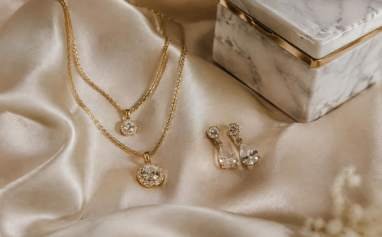
Find affordable fashion jewellery that looks luxurious with tips on choosing quality pieces, styling them for occasions, and caring for their finish. Continue reading

Get guidance on how to buy fashion jewellery online, choose materials, assess sellers, compare prices and shipping, and care for your purchases. Continue reading

Get tips for styling pearl jewellery with Indian and Western outfits, mixing styles, choosing pieces, and caring for your jewellery. Continue reading
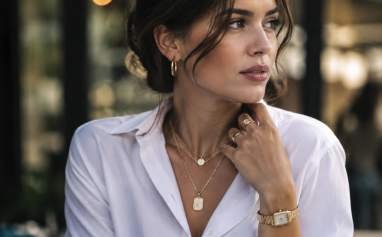
Find jewellery styling tips for choosing everyday pieces, coordinating outfits, selecting colours and metals, getting the fit right, and adding personal... Continue reading

Find statement earrings for every occasion, with guidance on outfit coordination, comfort and fit, choosing styles, and caring for them. Continue reading
Add comment