

No products in the cart.
Return To ShopImitation jewellery brings colour and character to an outfit, but plated finishes and glued settings need gentler care than solid gold or silver. I treat each piece according to its materials, keeping it away from water, perfume, and harsh cleaners that can dull plating or loosen adhesives. A soft, dry microfibre cloth is the safest starting point.
Choosing Imitation Jewellery
I match each piece to its intended use before buying: everyday earrings need different construction from a necklace reserved for occasional events. Your skin sensitivity, preferred weight, and usual wardrobe also shape a practical choice. I look for clear descriptions of the base metal and surface coating, since terms such as “gold-tone” describe appearance rather than precious-metal content. Specific material details make it easier to select jewellery suited to your routine and preferences.
How to check quality and construction
Inspect the finish under bright, even light for consistent colour, smooth edges, and plating without bare patches. I also examine joins, clasps, and settings: soldered links should sit flush, while prongs should hold stones firmly without sharp points. Open and close the clasp a few times to gauge its action, and check that paired earrings match in shape and size. Secure settings and cleanly finished edges are strong signs of careful assembly.
Factors that affect durability and comfort
Weight, surface coating, and design all influence how a piece feels and wears. Lightweight earrings put less pull on earlobes, while broad rings need smooth inner bands to avoid pressure. Thin plating over a base metal typically shows wear sooner at edges and contact points than thicker, well-applied coatings. I check that posts and hooks suit your ear sensitivity, and that necklace chains lie comfortably without stiff or rough links. Skin-compatible metals matter most for pieces worn close to the body.
- Look for a seller’s stated return policy.
- Check whether replacement earring backs are included.
- Choose a chain length that works with your usual necklines.
Wearing and Storing Jewellery Safely
Imitation jewellery often uses plated metals, glued settings, and decorative coatings that are more vulnerable to impact and friction than solid precious metal. I handle each piece by its edges rather than pulling on chains or stones, and I keep jewellery away from hard surfaces during dressing. Gentle handling reduces strain on clasps and settings, while a soft-lined tray gives loose pieces a protected place between wears.
Tips for everyday wear
I put jewellery on after applying perfume, hairspray, or lotion, since their ingredients can dull finishes or weaken adhesives. Remove rings and bracelets before washing dishes, exercising, or handling cleaning products; chlorine and household chemicals can discolor plated surfaces and damage elastic or glued components. For necklaces, fasten the clasp without tugging the chain, then take the piece off before sleep to prevent snags against bedding.
How to store pieces to limit scratches and tarnish
Separate each item in a fabric pouch or a compartmented jewellery box so chains cannot knot and stones cannot rub against one another. I keep pieces in a cool, dry place, away from bathroom steam and direct sunlight, which can affect coatings and adhesives. Close clasps before storage, lay necklaces flat when possible, and place earrings in pairs in a soft-lined compartment rather than loose in a drawer.
| Piece or situation | Safer practice | Risk reduced |
|---|---|---|
| Perfume or lotion | Apply before putting on jewellery | Finish dulling or adhesive damage |
| Dishwashing or exercise | Remove rings and bracelets | Chemical exposure and impact |
| Loose necklaces | Fasten clasps and store flat | Knots and chain strain |
| Multiple pieces | Use separate soft compartments | Scratches from contact |
Cleaning and Maintaining Your Pieces
I use a light touch because imitation jewellery often combines plated metal, glued settings, synthetic stones, and coatings that react differently to moisture. Before cleaning, inspect each piece for loose stones or worn plating, then choose the least intensive method suited to its materials. Keep water exposure brief, and dry every surface, including the backs of settings and chain links, with a soft, lint-free cloth. A clean, dry finish preserves shine without stressing delicate components.
How to clean common imitation jewellery materials
For resin, acrylic, and glass beads, I wipe the surface with a soft cloth dampened in lukewarm water, then dry it promptly. Use a dry microfiber cloth on rhinestones, since moisture can weaken the adhesive beneath their settings. For plated metal, gently buff with a clean jewellery cloth rather than a polishing compound that could strip the thin finish. Never soak glued or fabric-backed pieces; clean around their settings with a barely damp cotton swab.
Tips for avoiding harsh products and over-cleaning
Household cleaners, toothpaste, baking soda, and alcohol can scratch coatings, dull plating, or loosen adhesives, so I keep them away from imitation pieces. Apply no sprays or liquids directly to jewellery; put a little water on the cloth instead. Clean only when visible residue or grime appears, using light strokes rather than vigorous rubbing. Stop if colour transfers to the cloth, then let the piece air-dry on a clean towel away from direct heat.
- Use a fresh cloth for light and dark finishes.
- Choose cotton swabs with tightly wound tips.
- Keep cleaning tools free of grit and polish residue.
Repairing and Extending Jewellery Life
Small repairs are worthwhile only while a piece remains safe to wear and its main components stay secure. I assess the damage before handling it, since pulling at a weak setting or clasp can turn minor wear into a lost stone or broken chain. Stop wearing the piece if an edge is sharp, a component is detached, or the metal coating is flaking where it touches skin; those are signs that continued use could cause injury or irritation.
How to handle loose stones and damaged clasps
For a loose stone, I place the jewellery in a small container and avoid pressing the setting; glue can cloud a stone or damage its backing, so I leave adhesive repairs to a jeweller. A bent clasp should not be forced shut, because repeated bending can snap the thin metal. Keep the piece off until the setting or clasp is secure, and store any detached stone with it in a labelled pouch.
Factors that signal a piece needs professional attention
Persistent movement in a stone, a split jump ring, or a clasp that will not stay closed calls for professional assessment, particularly on pieces with glued or plated components. I also stop using jewellery with exposed sharp wire, green residue that returns after cleaning, or coating that lifts in flakes. Skin irritation or a sharp edge is a clear reason to remove the piece immediately, rather than attempt a home repair.
| Condition | Immediate action | Reason |
|---|---|---|
| Loose stone | Store securely; avoid pressure | Prevents the stone from falling out |
| Bent or faulty clasp | Stop wearing; do not force | Repeated bending can break it |
| Sharp wire or edge | Remove from use | May scratch or puncture skin |
| Flaking coating | Stop wearing against skin | Exposed materials may irritate |
Final Words
With gentle cleaning, careful storage, and prompt attention to loose settings, imitation jewellery can remain wearable and attractive for longer. I treat each piece according to its materials, keeping plated surfaces away from harsh chemicals and storing items separately to limit scratches and tangles. You can protect your favourite earrings, necklaces, and bracelets by putting them on after cosmetics and removing them before bathing or exercise. A soft, dry jewellery cloth is a practical last step after each wear.

About author

Related posts
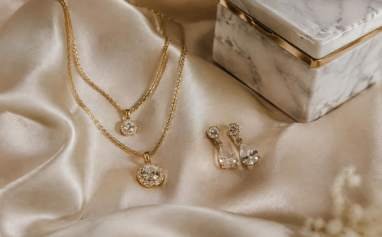
Find affordable fashion jewellery that looks luxurious with tips on choosing quality pieces, styling them for occasions, and caring for their finish. Continue reading

Style pearl jewellery with Indian and Western outfits, choose pieces for your collection, mix styles, and care for your pearls. Continue reading

Get guidance on how to buy fashion jewellery online, choose materials, assess sellers, compare prices and shipping, and care for your purchases. Continue reading

Get tips for styling pearl jewellery with Indian and Western outfits, mixing styles, choosing pieces, and caring for your jewellery. Continue reading

Find jewellery styling tips for choosing everyday pieces, coordinating outfits, selecting colours and metals, getting the fit right, and adding personal... Continue reading
Add comment