

No products in the cart.
Return To ShopA necklace that frames a saree’s neckline can feel out of place with a crisp kurti or a simple Western dress. I match jewellery to each garment’s neckline, fabric and level of detail, then balance one focal piece with quieter accessories. Proportion and comfort matter too: a lightweight jhumka or a fine chain can complement an outfit without competing with its silhouette.
How to Choose Jewellery for Different Outfits
I begin with the outfit’s overall structure, then choose jewellery that suits its formality and visual weight. Sarees, kurtis, and Western dresses each offer different proportions, so a piece that feels balanced with one may look crowded with another. Match the scale of the jewellery to the garment, and let one feature lead, such as a detailed border, a bold neckline, or a clean, tailored silhouette. The aim is a coordinated look rather than identical colours.
| Outfit | Proportion to consider | Jewellery direction |
|---|---|---|
| Saree | Drape and border detail | Coordinate with the saree’s visual weight |
| Kurti | Length and surface pattern | Keep the overall scale balanced |
| Western dress | Silhouette and neckline | Choose pieces that suit the dress’s structure |
Factors to Consider: Neckline, Fabric, Colour, and Occasion
Start with the neckline: a high collar leaves little room for a necklace, while an open neckline can accommodate a pendant or short chain. I also assess fabric weight, since silk and brocade carry bolder pieces more readily than fine cotton or chiffon. For colour, repeat a metal tone or pick up one shade in the print. Let the occasion set the finish, with restrained designs for daytime wear and more ornament for a formal event.
Tips for Balancing Jewellery with Your Outfit
Choose one focal point, then keep the remaining pieces quieter. If your earrings are large, a slim chain or bare neckline usually preserves balance; if a necklace is prominent, smaller studs avoid competing shapes. I also match jewellery scale to garment detail, keeping intricate pieces distinct from dense embroidery or busy prints. Leave visual breathing room around a statement piece, especially beside a patterned kurti or a dress with a decorative collar.
How to Style Jewellery with Sarees, Kurtis, and Western Dresses
I match jewellery to the outfit’s neckline, fabric, and occasion, then keep the overall look balanced by choosing one main focal point. A heavily embellished blouse, for instance, pairs well with simpler earrings, while a plain outfit gives a bold necklace room to stand out. Coordinate the scale of each piece with the clothing, and use metal tone or gemstone colour to connect separate accessories without making every detail identical.
Saree Jewellery: Necklaces, Earrings, and Bangles
For a silk saree with a broad border, I pair a temple necklace with jhumkas and a restrained set of bangles, letting the weave remain visible. A chiffon or georgette saree often suits a fine chain, drop earrings, and slim bracelets. With a high-neck blouse, I skip a close-fitting necklace and choose statement earrings instead; for a deep neckline, a short necklace can frame the collarbone.
Kurti Jewellery: Everyday and Festive Pairings
Cotton kurtis work naturally with small hoops, silver studs, or a delicate chain, especially for daily wear with straight trousers or leggings. For a festive anarkali or embroidered kurti, I choose chandbalis or a pendant set and add a few bangles if the sleeves are simple. Keep sleeve details in view: stacked bracelets can compete with embellished cuffs, while a ring adds polish without crowding the wrist.
Western Dress Jewellery: Minimal, Layered, and Statement Looks
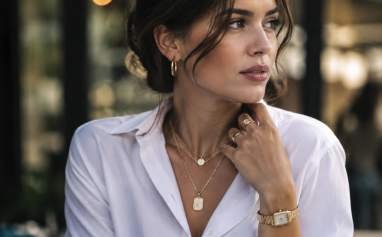
With a shirt dress or sheath, I use a slim pendant and compact hoops for a clean finish; a strapless or square-neck dress can carry a close-fitting collar necklace. Layered chains suit plain, open necklines, while a bold cuff or cocktail ring gives a printed dress definition without adding another focal point. Match the jewellery’s scale to the dress, choosing delicate pieces for fine fabrics and a single sculptural accessory for structured tailoring.
- Set necklace length around the blouse neckline.
- Pair oxidised silver with block-printed cotton.
- Choose a brooch for a draped saree pallu.
Tips for Comfort, Care, and Rewearing
Daily comfort depends on more than a piece’s appearance: pressure, movement, skin sensitivity, and contact with clothing all matter. I pay attention to how clasps sit and whether edges catch on a saree pallu, kurti sleeve, or dress neckline. Secure, smooth fittings reduce snags and irritation during long wear. A simple care routine also protects finishes, while thoughtful storage keeps chains untangled and stones away from hard surfaces.
Choosing Lightweight Pieces for All-Day Wear
For extended wear, I choose slim chains, small hoops, lightweight studs, and bangles with smooth inner surfaces. Check that earrings do not pull at the earlobes and that necklaces rest without pressing against the collarbone when you move. Lightweight, well-balanced designs are especially comfortable during commutes or long events. If a clasp feels stiff or a pendant swings heavily, try the piece briefly at home before wearing it for the day.
Cleaning, Storing, and Reusing Jewellery
After wearing jewellery, I wipe metal surfaces with a soft, dry cloth to remove sweat, oils, and cosmetics; avoid soaking pieces with glued stones or delicate plating. Store each item in a fabric pouch or a separate compartment, with chains fastened to limit tangling. Keep jewellery dry and away from perfume, hairspray, and bathroom humidity. Before rewearing, inspect clasps, earring backs, and settings for looseness or visible damage.
| Care task | Practical method | Detail to check |
|---|---|---|
| All-day comfort | Test the fit at home | Pressure, swinging, or pinching |
| After-wear cleaning | Wipe with a soft, dry cloth | Cosmetic or sweat residue |
| Storage | Use separate pouches or compartments | Chain tangles and surface contact |
| Before rewearing | Inspect closures and settings | Loose clasps or stones |
To wrap up
I choose jewellery by considering the outfit’s fabric, neckline, occasion, and the amount of detail already present. For a saree, gold-toned earrings or a necklace can complement traditional borders; with a kurti, silver jhumkas or a simple chain suit everyday wear. Western dresses often pair well with clean geometric pieces or understated hoops. You can keep the look balanced by letting one piece take focus, such as statement earrings with a plain blouse, while selecting lightweight materials for long events.

About author

Related posts
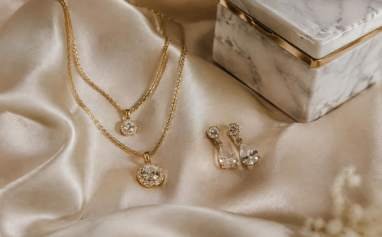
Find affordable fashion jewellery that looks luxurious with tips on choosing quality pieces, styling them for occasions, and caring for their finish. Continue reading
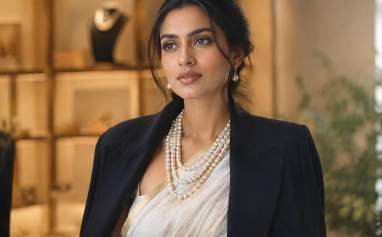
Style pearl jewellery with Indian and Western outfits, choose pieces for your collection, mix styles, and care for your pearls. Continue reading

Get guidance on how to buy fashion jewellery online, choose materials, assess sellers, compare prices and shipping, and care for your purchases. Continue reading

Get tips for styling pearl jewellery with Indian and Western outfits, mixing styles, choosing pieces, and caring for your jewellery. Continue reading
Find jewellery styling tips for choosing everyday pieces, coordinating outfits, selecting colours and metals, getting the fit right, and adding personal... Continue reading
Add comment